



-

Напишите нам
sale@lscmagnetics.com -

Контактный номер
+86 -13559234186
Напишите нам
sale@lscmagnetics.comКонтактный номер
+86 -13559234186

Магнитная фильтрация: создание «невидимого барьера» для чувствительного оборудования, расположенного ниже по потоку.
Jun 16, 2026В промышленных гидравлических системах наиболее коварные угрозы часто невидимы невооруженным глазом. Микро- или даже субмикронные ферромагнитные частицы, такие как железные опилки, ржавчина и металлические частицы износа, могут незаметно циркулировать в системе, постепенно разрушая основные компоненты прецизионного оборудования. Несмотря на свой крошечный размер, эти частицы достаточно опасны, чтобы вызвать заклинивание сервоклапанов, износ подшипников, повреждение рабочего колеса насоса и даже незапланированные остановки всей линии.
Традиционные технологии фильтрации (например, бумажные картриджи и рукавные фильтры) ограничены размером пор: они либо не способны улавливать достаточно мелкие частицы, либо требуют высоких затрат на техническое обслуживание из-за частого засорения. Магнитная фильтрация, благодаря своему уникальному принципу работы и превосходным характеристикам, становится ключевым решением для защиты чувствительного оборудования, расположенного ниже по потоку.
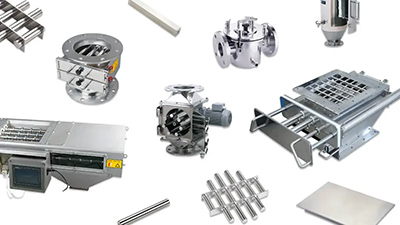
Проще говоря, магнитная фильтрация использует магнитную силу для притяжения и отделения ферромагнитных частиц от жидкости. Типичный магнитный фильтр сочетает в себе высококоэрцитивный, сильномагнитный материал с барьерной сеткой; его адсорбционная сила может быть в десять раз выше, чем у обычных магнитных материалов. Когда жидкость, содержащая металлические частицы, проходит через сильные магнитные стержни или сердечники в центре фильтра, ферромагнитные загрязнения надежно улавливаются, в то время как чистая жидкость продолжает движение вниз по потоку.
В отличие от обычных фильтров, магнитная фильтрация не полагается на физический размер пор сетки для «захвата» частиц, а использует магнитное поле для их «притяжения» и «удержания». Это принципиальное различие дает ей существенные преимущества.
В высокоточной обработке и непрерывном производстве оборудование, расположенное ниже по потоку, часто служит «сердцем» и «жизненно важным элементом» всей системы — насосы, клапаны, уплотнения, шпиндели, датчики, теплообменники и многое другое — и все они требуют чрезвычайно высокой чистоты рабочей жидкости.
Вред, причиняемый ферромагнитными частицами оборудованию, расположенному ниже по потоку, многогранен:
Истирание и царапины – Частицы, движущиеся с высокой скоростью, действуют подобно наждачной бумаге, постоянно трутся о внутренние поверхности, что приводит к износу уплотнений, снижению точности шпинделя и появлению царапин на компонентах.
Засорение и закупорка – Частицы скапливаются в узких зазорах, таких как сердечники клапанов и капиллярные трубки, что может привести к заеданию клапанов, их неисправности или потере регулирующей способности.
Ускоренный износ – Долгосрочный износ значительно сокращает срок службы оборудования, увеличивает риск незапланированных простоев, а также приводит к росту затрат на техническое обслуживание и производственным потерям.
Пример из реальной жизни: компания использовала сетчатый фильтр для защиты своих насосов, но стружка и мусор быстро забивали его, требуя частой ручной очистки. Хуже того, как только загрязнения проникали в фильтр, оборудование, расположенное ниже по потоку, подвергалось немедленному риску прямого повреждения.
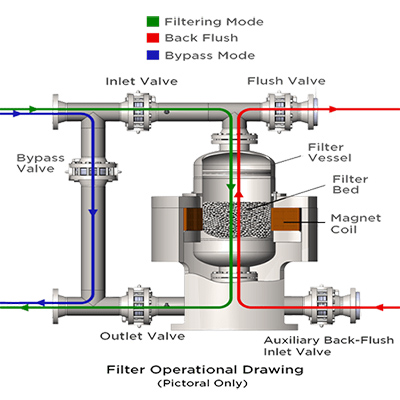
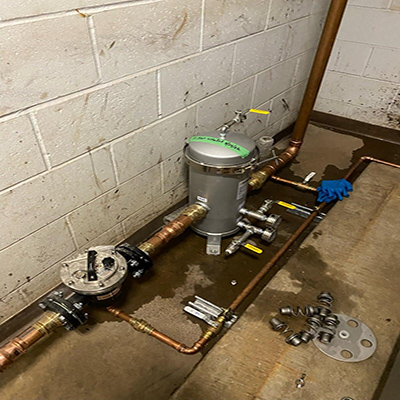
Сервоклапаны, пропорциональные клапаны и насосы высокого давления в гидравлических системах чрезвычайно чувствительны к загрязнениям. Одна-единственная частица железа диаметром всего 5 микрон может заклинить сердечник сервоклапана, что приведет к отказу системы. Магнитные фильтры обычно устанавливаются в критических точках гидравлических контуров:
Всасывающая сторона – защищает насосы и двигатели от износа, вызванного накоплением осадка в резервуарах.
Напорная сторона – выполняет окончательную фильтрацию перед тем, как жидкость попадет в прецизионные клапанные узлы и приводы.
Обратная сторона – удаляет частицы износа, образующиеся в процессе эксплуатации, прежде чем масло вернется в бак.
Исследования компании One Eye Industries показывают, что гидравлические силовые установки (ГСУ), использующие трехступенчатую магнитную фильтрацию, способны улавливать частицы износа размером до 4 микрон с эффективностью более 95%. Их радиальная конструкция магнитного поля обеспечивает в 10 раз большую грязеудерживающую способность по сравнению с традиционными фильтрами.
2. «Защитники чистоты» для оборудования прецизионной обработки
В высокоточных областях, таких как производство подшипников, обработка автомобильных деталей и заточка инструментов, качество поверхности напрямую определяет качество продукции. Магнитная фильтрация не только удаляет железную стружку из смазочно-охлаждающих жидкостей, но и улавливает субмикронные частицы, с которыми не справляются традиционные фильтры.
Например, один из крупнейших в мире производителей подшипников внедрил магнитную фильтрацию и добился контроля точности на субмикронном уровне, значительно улучшил качество поверхности, существенно повысил концентричность и однородность, а также резко снизил процент брака.
3. «Утилизатор» в нефтегазопроводах
В сегментах добычи, транспортировки и переработки нефти и газа «черный порошок», образующийся в результате коррозии трубопроводов, уже давно является постоянной проблемой. Это субмикронное загрязнение, состоящее из сульфида железа, оксида железа и других соединений, может повредить насосы, компрессоры, измерительные системы и теплообменники.
В исследовании компании Black Powder Solutions сообщается, что на нефтеперерабатывающем заводе в Техасе установка системы магнитной фильтрации после установки опреснения и перед фильтром Pentair увеличила интервал замены фильтра Pentair с 5 до 120 дней, что позволило сэкономить приблизительно 1,85 миллиона долларов в год, а также защитить систему очистки MycelX стоимостью 800 000 долларов.
4. «Барьер безопасности» в пищевой и фармацевтической промышленности.
В пищевой и фармацевтической промышленности магнитная фильтрация не только защищает оборудование, но и обеспечивает безопасность продукции. Для высоковязких жидкостей, таких как шоколад, джем и сироп, изолированные проточные магнитные фильтры удаляют ферромагнитные примеси, поддерживая при этом необходимую температуру материала. В фармацевтической промышленности роторные магнитные фильтры специально разработаны для работы с когезивными, плохо текучими вязкими материалами, обеспечивая чистоту сырья.
Пример 1 – Производство автомобильных турбокомпрессоров
После установки системы магнитной фильтрации на балансировочный станок для турбокомпрессоров компания Borg Warner снизила частоту засорения фильтров и исключила необходимость частой замены фильтрующих элементов. Это позволило сэкономить около 28 000 фунтов стерлингов в год только на фильтрующих элементах и практически свести к нулю процент брака.
Пример 2 – Прокатка и травление стали
Система нанесения поверхностных покрытий компании Steelscape в США столкнулась с серьезным загрязнением: традиционные барьерные фильтры забивались в течение нескольких часов. После внедрения автоматизированной системы магнитной фильтрации Automag ежемесячно удалялось около 12 000 кг загрязнений, а процент брака снизился до нуля.
Пример 3 – Глубокое сверление отверстий для станков
После установки магнитной фильтрации на своем буровом оборудовании для глубокого бурения Stock сталелитейный завод Collison Goll полностью решил проблему засорения каналов для бурового раствора частицами размером более 50 микрон, что приводило к поломке буровых долот и, как следствие, к существенной экономии на стоимости буровых долот. В настоящее время руководство завода планирует внедрить магнитную фильтрацию на всем оборудовании.
Вариант 4 – Терминал погрузки сжиженного нефтяного газа на суда
На терминале погрузки сжиженного газа в Техасе часто возникали засоры входного фильтра во время погрузки из-за загрязнения черным порошком, что приводило к средним убыткам в размере 50 000 долларов за каждый простой. После установки системы магнитной фильтрации незапланированных простоев во время погрузки больше не происходило. Теперь магнитный фильтр может обрабатывать грузы трех судов до необходимости очистки, что позволяет экономить 250 000 долларов в год.
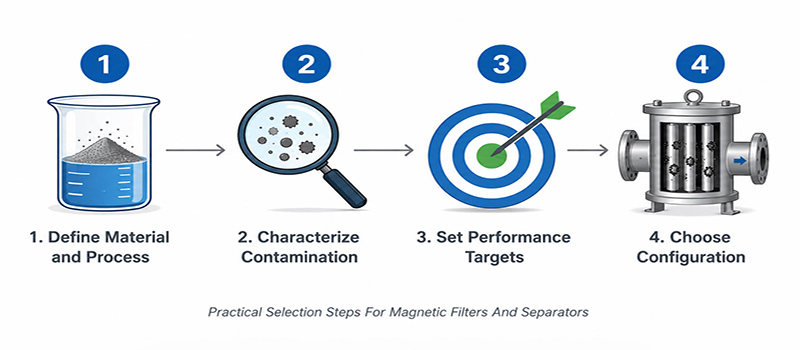
Дополнительная ценность магнитной фильтрации
Помимо защиты оборудования, используемого в дальнейшем, магнитная фильтрация предлагает ряд дополнительных преимуществ:
Отсутствие расходных материалов, более экологично – исключает использование фильтровальной бумаги, пакетов и других одноразовых материалов, сокращая количество отходов и затраты на утилизацию.
Увеличенный срок службы жидкостей – чистые охлаждающие жидкости и смазочные масла можно использовать повторно многократно, что значительно сокращает расходы на закупку жидкостей и очистку сточных вод.
Улучшение качества продукции – за счет удаления абразивных частиц повышается чистота поверхности и точность размеров.
Сокращение времени простоя – полностью автоматизированные системы магнитной фильтрации могут работать круглосуточно, сводя к минимуму незапланированные остановки.
В промышленном производстве профилактика всегда экономичнее и надежнее, чем лечение. Благодаря уникальному принципу действия магнитная фильтрация улавливает загрязнения до того, как они достигнут чувствительного оборудования, расположенного ниже по технологической цепочке, создавая невидимый, но исключительно прочный защитный слой для всей производственной системы.
Независимо от того, является ли целью продление срока службы оборудования, повышение качества продукции, снижение затрат на техническое обслуживание или внедрение более экологичных методов работы, магнитная фильтрация заслуживает серьезного внимания со стороны каждой отрасли, использующей гидравлические системы. В конце концов, защита оборудования, расположенного ниже по потоку, означает защиту стабильности и эффективности всей производственной линии.
Whatsapp : +86 -13559234186
Электронная почта : sale@lscmagnetics.com
Тел. : +86 -13559234186


