



-

Напишите нам
sale@lscmagnetics.com -

Контактный номер
+86 -13559234186
Напишите нам
sale@lscmagnetics.comКонтактный номер
+86 -13559234186

Система магнитной фильтрации: предупреждение о старении: 9 признаков необходимости модернизации, которые нельзя игнорировать.
Jul 01, 2026
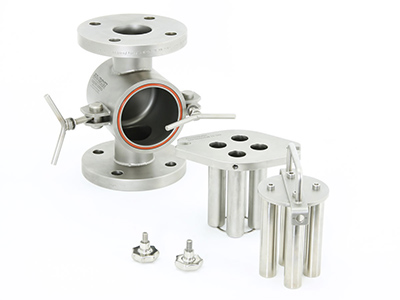
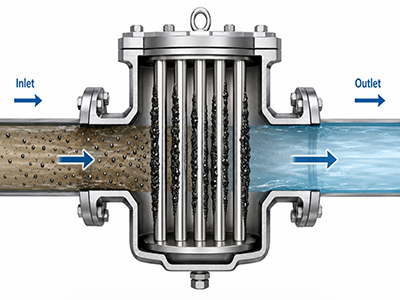
Системы магнитной фильтрации Они являются незаменимыми помощниками в промышленных процессах и системах отопления, вентиляции и кондиционирования воздуха. Они используют магнитные поля для улавливания ферромагнитных частиц, обеспечивая чистоту жидкости и защищая последующее оборудование. Но, как и любое механическое устройство, они не вечны. Со временем магнитная сила естественным образом ослабевает, а производительность снижается. Вот девять безошибочных признаков того, что пора обновить систему — или, по крайней мере, провести её серьёзную оценку.
⏳ Сигнал 1: Заметное снижение эффективности фильтрации.
Разница давлений — разница между входным и выходным давлением — является важнейшим показателем работы системы. В нормальных условиях она находится в диапазоне от 0,03 до 0,08 МПа. Если она превышает 0,15 МПа или упорно остается выше 0,1 МПа даже после цикла обратной промывки, вероятно, засорился фильтрующий элемент или магнитный сердечник достиг насыщения.
Более высокое перепадное давление означает большее сопротивление потоку, заставляя насос работать с большей нагрузкой. Со временем это не только увеличивает счета за электроэнергию, но и может привести к перегреву насоса и преждевременному выходу его из строя.
Основная задача системы — улавливать ферромагнитные частицы. Если вы заметили какие-либо из этих предупреждающих признаков, ваш фильтр больше не выполняет свою функцию:
Проверка белой тканью: подержите чистую белую ткань над розеткой в течение 30–60 секунд. Если она пожелтеет, станет влажной или жирной, значит, загрязнения проникают сквозь нее.
Ускоренный износ компонентов, расположенных ниже по потоку – Неожиданный износ клапанов, уплотнений или подшипников часто указывает на то, что магнитные частицы обходят фильтр.
Заметное ухудшение прозрачности жидкости – охлаждающие жидкости, смазочно-охлаждающие жидкости или смазочные масла начинают выглядеть мутными или менять цвет.
Когда поверхность магнитного стержня покрывается слоем железного шлама или когда в трубопроводе накапливаются немагнитные частицы, эффективное поперечное сечение уменьшается. Вы заметите:
Фактический расход не соответствует проектному значению.
Уровень шума насоса аномально возрастает (из-за противодавления).
Оборудование, расположенное ниже по потоку, испытывает недостаток жидкости, что ставит под угрозу стабильность процесса.
🧲 Сигнал 2: Ослабление магнитной силы и снижение адсорбционной способности
Постоянные магниты, особенно старые ферритовые, со временем теряют свои свойства. Нагрев, вибрация и внешние размагничивающие поля ускоряют этот процесс. Даже современные неодимовые магниты, хотя и более стабильны, не вечны.
Как проверить:
Используйте гауссметр для измерения напряженности магнитного поля на поверхности и сравните полученные данные с заводскими базовыми показателями.
Проведите испытание на растяжение стандартного железного предмета.
Для получения точных значений проведите измерение эффекта Холла.
Если показания упадут ниже 70% от первоначального расчетного значения, возможности устройства по захвату сигнала серьезно ухудшатся — замена или модернизация неизбежны.
Даже при использовании корпусов из нержавеющей стали марок 304 или 316L агрессивные среды (кислотные/щелочные растворы, сточные воды с высокой соленостью) или жесткие условия (высокая температура/давление) могут вызывать следующие проблемы:
Точечная или межкристаллитная коррозия на внутренней стенке.
Изношенные уплотнения приводят к протечкам во фланцах, смотровых стеклах или сливных отверстиях.
Трещины в сварных швах возникают из-за термического напряжения или длительной вибрации.
Любая утечка не только приводит к потере жидкости и создает угрозу для окружающей среды, но и позволяет нефильтрованной жидкости обходить магнитный сердечник, делая всю систему непригодной для использования.
Современные системы часто оснащаются устройствами для автоматической обратной промывки или скребковыми устройствами. Когда они начинают выходить из строя, ручное обслуживание превращается в кошмар. Обратите внимание на:
Циклы уборки, которые значительно сокращаются (с еженедельных до нескольких раз в день).
Разница давлений, которая не нормализуется после очистки.
Засоренные выпускные клапаны не могут удалить скопившееся железо.
Сбои в логике управления приводят к частым ложным срабатываниям.
⚙️ Сигнал 3: Экономика и операции — «Скрытые сигналы тревоги» в бухгалтерских книгах
С финансовой точки зрения, переломный момент наступает, когда ваши ежегодные расходы на техническое обслуживание (работа + запчасти + потери от простоя) превышают 50% от стоимости нового устройства. Старые системы часто попадают в замкнутый круг — каждый ремонт ослабляет другую деталь, что приводит к еще большему количеству ремонтов.
Каждое увеличение перепада давления на 0,1 МПа может повысить потребление энергии насосом на 15–25%. Для стареющей системы эти дополнительные затраты энергии могут сравняться со стоимостью нового фильтра всего за один-два года. Не упускайте из виду эту незаметную статью расходов вашего эксплуатационного бюджета.
Нормативно-правовые нормы ужесточаются (например, устанавливаются требования к практически нулевому уровню выбросов), а стандарты производства постоянно меняются. Устаревшая система может испытывать трудности со следующими задачами:
Точность фильтрации, которая больше не соответствует новым техническим требованиям к качеству продукции.
Отсутствие возможностей интернета вещей или удаленного мониторинга — это существенный недостаток для «умных» заводов.
Невозможность взаимодействия с системами DCS/SCADA, что делает данные недоступными для отслеживания.
Несоблюдение предельных норм выбросов в окружающую среду влечет за собой штрафы или закрытие предприятия.
Короче говоря, игнорирование этих признаков не только ухудшает эффективность фильтрации, но и подвергает риску компрессоры, насосы, приборы и другое прецизионное оборудование из-за прорыва частиц. Это также приводит к значительным затратам энергии и средств на техническое обслуживание.
С другой стороны, своевременное выявление этих признаков и оперативное обновление оборудования восстанавливает эффективность, защищает качество продукции и предотвращает дорогостоящие незапланированные простои. Ведите журнал технического обслуживания, регулярно отслеживайте напряженность магнитного поля и перепад давления, и вы всегда будете знать, когда пора действовать — прежде чем незначительная неприятность перерастет в серьезную проблему.
ТЕГИ :
Whatsapp : +86 -13559234186
Электронная почта : sale@lscmagnetics.com
Тел. : +86 -13559234186


