



-

Напишите нам
sale@lscmagnetics.com -

Контактный номер
+86 -13559234186
Напишите нам
sale@lscmagnetics.comКонтактный номер
+86 -13559234186

Ключевые вопросы и ответы, касающиеся влияния температуры на магнитные сепараторы.
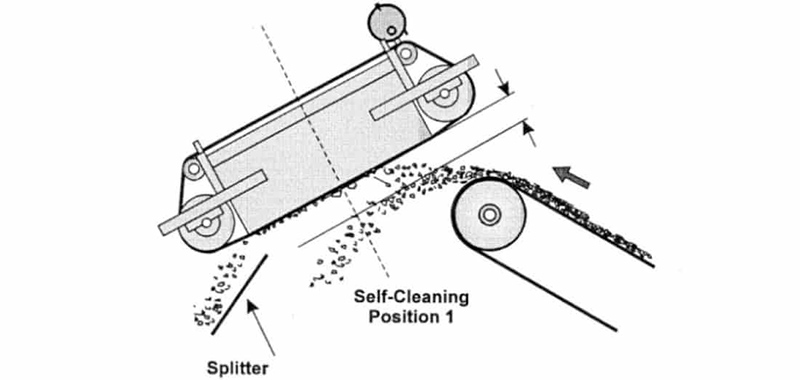
Jul 09, 2026Магнитные сепараторы Это механические устройства, использующие магнитные поля для разделения материалов. Они широко применяются в горнодобывающей промышленности, металлургии, переработке отходов и химической промышленности. Основной принцип их работы заключается в создании сильного магнитного поля, которое отделяет магнитные минеральные частицы, такие как магнетит и гематит, от немагнитных материалов.

Температура влияет на производительность магнитных сепараторов комплексно и многогранно: от микроскопического теплового движения магнитных доменов до макроскопического ослабления напряженности магнитного поля; от прямого размагничивания магнитов до косвенных изменений физических и химических свойств подаваемого материала. Пренебрежение контролем температуры не позволит даже самым совершенным магнитным сепараторам достичь проектной производительности.
Для предприятий по переработке минерального сырья крайне важно внедрить систематическую систему мониторинга температуры, выбрать подходящие материалы для магнитов и решения для охлаждения в зависимости от конкретных условий эксплуатации, а также оптимизировать рабочие процедуры оборудования, чтобы обеспечить эффективность магнитной сепарации, снизить содержание руды в отходах и продлить срок службы оборудования. В условиях все более жесткого регулирования — с растущим давлением на выбросы углекислого газа и использование ресурсов — раскрытие потенциала магнитных сепараторов за счет усовершенствованного управления температурой служит «скрытым рычагом» для достижения экономии энергии, сокращения выбросов и повышения экономической эффективности.
Ниже приведены некоторые часто задаваемые вопросы о влиянии температуры на магнитные сепараторы:
В1: Насколько уменьшается напряженность магнитного поля при работе магнитного сепаратора в условиях высокой температуры?
А: Точное снижение зависит от типа магнита и фактической рабочей температуры:
Постоянные магниты NdFeB: их температурный коэффициент составляет приблизительно -0,12%/°C, что означает, что напряженность поля снижается примерно на 0,12% при каждом повышении температуры на 1°C. При повышении температуры с 25°C до 80°C напряженность магнитного поля может снизиться на 6–7%.
Электромагнитные катушки: сопротивление катушки увеличивается с повышением температуры, а напряженность магнитного поля обычно уменьшается примерно на 5–8% на каждые 100 °C.
Если температура превышает температуру Кюри магнита (например, приблизительно 310 °C для стандартного NdFeB), происходит полное размагничивание.
В2: Почему эффективность сортировки с помощью магнитного сепаратора значительно снижается в жаркую летнюю погоду?
А: Есть три основные причины:
Термическая деградация магнита: Повышение температуры окружающей среды увеличивает температуру магнитной системы, ослабляя магнитное поле.
Снижение эффективности рассеивания тепла: характеристики систем с воздушным или водяным охлаждением ухудшаются при экстремально высоких температурах окружающей среды.
Изменения свойств суспензии: Повышенная температура суспензии может изменять вязкость и химические характеристики поверхности, что, в свою очередь, влияет на кинетику разделения.
В3: Как предотвратить размагничивание магнитного сепаратора, вызванное высокими температурами?
A:
Используйте термостойкие магниты (например, самарий-кобальтовые магниты, выдерживающие температуру до 800°C).
Установите системы принудительного охлаждения (воздушное, водяное или масляное).
Оптимизировать конструкцию магнитной цепи и внедрить усовершенствованные каналы для отвода тепла.
Избегайте длительной работы под полной нагрузкой; планируйте периодические перерывы для охлаждения.
Отслеживайте температуру магнитной системы в режиме реального времени с автоматическим срабатыванием сигнализации или отключением нагрузки при превышении заданных пороговых значений.
Вопрос 4: Что более уязвимо к высоким температурам — электромагнитные или магнитные сепараторы с постоянными магнитами?
А: Оба варианта подвержены риску, но посредством разных механизмов:
Разделитель с постоянными магнитами: Высокие температуры вызывают необратимое размагничивание. Даже если температура вернется к норме, напряженность поля полностью восстановить не удастся — повреждение будет необратимым.
Электромагнитный сепаратор: высокие температуры увеличивают сопротивление катушки и уменьшают ток возбуждения, что приводит к временному снижению напряженности поля. Однако, если изоляция перегревается и изнашивается, это может привести к полному перегоранию катушки.
В5: Какие меры предосторожности следует принимать при использовании магнитных сепараторов в холодных регионах (зимой или в высокогорных условиях)?
A:
Хрупкость материалов: постоянные магниты и уплотнения могут стать хрупкими при температуре ниже –20°C; необходимо выбирать материалы с хорошей ударной вязкостью при низких температурах.
Проблемы со смазкой: вязкость подшипниковой смазки увеличивается при низких температурах; перед запуском оборудования необходимо предварительно прогреть его или использовать низкотемпературную смазку.
Электромагнитные катушки: сопротивление катушки уменьшается при низких температурах, что может вызвать чрезмерный пусковой ток — рекомендуется использовать устройство плавного пуска.
Конденсация: После остановки оборудования на его поверхностях может образовываться конденсат, что приводит к коррозии; необходима надлежащая защита от влаги.
В6: Действительно ли низкая температура повышает напряженность магнитного поля сепаратора?
А: Теоретически, низкие температуры уменьшают внутреннее тепловое движение, что может незначительно усилить магнетизм некоторых материалов (например, ферритов). Для электромагнитных катушек более низкое сопротивление выгодно для увеличения тока возбуждения. Однако на практике в технике механический охрупчивание и проблемы со смазкой, вызванные низкими температурами, обычно перевешивают любые магнитные преимущества. Намеренное использование низких температур для повышения производительности нецелесообразно.
В7: Как можно контролировать фактическую рабочую температуру магнитного сепаратора?
A:
Инфракрасный термометр: обеспечивает быструю бесконтактную проверку температуры поверхности магнитной системы.
Термопары или датчики RTD: встраиваются в магнитную систему или катушки для непрерывного онлайн-мониторинга.
Интеллектуальная система контроля температуры: высококачественное оборудование оснащено автоматической регулировкой температуры, сигнализацией о перегреве, регулировкой возбуждения или активацией охлаждения.
В8: Можно ли восстановить размагничившийся магнит в магнитном сепараторе?
А: Это зависит от типа размагничивания:
Обратимое размагничивание (температура ниже максимально допустимого рабочего предела): магнетизм может частично или полностью восстановиться после падения температуры.
Необратимое размагничивание (температура выше максимального рабочего предела, но ниже температуры Кюри): магнит требует повторного намагничивания.
Полное размагничивание (температура, превышающая температуру Кюри): микроструктура магнита повреждена, и магнит необходимо заменить.
В9: Каковы идеальные температурные и влажностные условия для помещения с магнитными сепараторами?
А: Рекомендуемые параметры:
Температура: от 0°C до 40°C (оптимальная 15–30°C)
Относительная влажность: ≤80%
Вентиляция: Хорошая циркуляция воздуха необходима для предотвращения скопления пыли, которая может препятствовать отводу тепла.
Контроль запыленности: пылевые слои на поверхностях магнитов препятствуют передаче тепла и ускоряют повышение температуры.
В10: Какой тип магнитного сепаратора лучше всего подходит для применения при высоких температурах?
A:
Первый вариант: сепараторы на основе постоянных магнитов из самария и кобальта (отличная температурная стабильность, но более высокая стоимость).
Второй вариант: высокотемпературные сепараторы из NdFeB (рабочие температуры до 150–200 °C).
Электромагнитные сепараторы: должны быть оснащены надежной системой охлаждения (водяным или масляным) и использовать высокотемпературные изоляционные материалы.
В11: Каковы преимущества и недостатки магнитных сепараторов с водяным и воздушным охлаждением?
A:
| Особенность | Воздушное охлаждение | Водяное охлаждение / Масляное охлаждение |
| Эффективность охлаждения | Ниже; сильно зависит от температуры окружающей среды. | Высокий уровень; обеспечивает точный контроль температуры. |
| Применимые сценарии | Оборудование малого и среднего размера, условия эксплуатации при нормальных температурах. | Крупногабаритное оборудование, условия высоких температур |
| Расходы | Низкий | Высокий (требуется система циркуляционного охлаждения) |
| Обслуживание | Простые решения (очистка от пыли, замена вентилятора) | Комплексное решение (предотвращение утечек, борьба с коррозией, замена охлаждающей жидкости) |
| Риски надежности | Выход из строя вентилятора | Утечка из трубопровода, деградация охлаждающей жидкости. |
В12: Откуда в основном берется тепло в магнитной системе магнитного сепаратора?
A:
Электромагнитный сепаратор: основным источником тепла являются потери меди в катушке (нагрев I²R).
Сепаратор с постоянными магнитами: потери от вихревых токов (в переменных полях), механическое трение и тепловое излучение окружающей среды.
Перенос материала: Высокотемпературная суспензия или горячие подаваемые материалы непосредственно контактируют с магнитной системой.
В13: Насколько существенно снижение магнитного поля, вызванное изменением температуры, влияет на эффективность разделения?
А: На примере электромагнитного барабанного сепаратора анализ методом конечных элементов показывает, что интенсивность магнитной индукции резко падает на 26%, а плотность силы магнитного поля уменьшается на 50% в условиях высокой температуры по сравнению с условиями холодного запуска. Это напрямую снижает извлечение магнитных минералов, повышает содержание полезных ископаемых в отходах и приводит к существенным экономическим потерям.
В14: Какова окупаемость инвестиций при добавлении системы охлаждения к магнитному сепаратору?
А: Хотя системы охлаждения увеличивают первоначальные капитальные затраты и текущие расходы на техническое обслуживание, к преимуществам относятся:
Улучшение показателей восстановления при стабильной напряженности поля (обычно увеличение на 1–3%).
Избежание дорогостоящей замены магнитов из-за необратимого размагничивания.
Увеличенный срок службы оборудования
Для крупных перерабатывающих предприятий или предприятий, работающих в жарком климате, инвестиции в системы охлаждения обычно окупаются в течение 1–2 лет за счет повышения производительности и снижения потерь.
Температура — это «скрытый убийца» производительности магнитных сепараторов: высокотемпературное размагничивание необратимо, а низкотемпературное охрупчивание необходимо предотвращать. Выбирая правильные материалы, разрабатывая адекватную систему охлаждения и внедряя непрерывный мониторинг, можно обеспечить стабильную и эффективную работу во всем температурном диапазоне.
ТЕГИ :
Whatsapp : +86 -13559234186
Электронная почта : sale@lscmagnetics.com
Тел. : +86 -13559234186


