



-

Напишите нам
sale@lscmagnetics.com -

Контактный номер
+86 -13559234186
Напишите нам
sale@lscmagnetics.comКонтактный номер
+86 -13559234186

Как правильно чистить и обслуживать редкоземельные магнитные стержни?
Jun 24, 2026Редкоземельный магнитные стержни Магнитные стержни (также известные как мощные или сильные магнитные стержни) — это промышленные устройства для удаления железа, состоящие из неодимово-железо-борного (NdFeB) или другого редкоземельного постоянного магнита, заключенного в трубку из нержавеющей стали. Они широко используются в пищевой, фармацевтической, химической, керамической и пластмассовой промышленности для адсорбции ферромагнитных примесей из порошкообразных, гранулированных и жидких материалов. Сила магнитного поля может варьироваться от 6000 до 12000 гаусс и даже выше.
Однако даже самые мощные магнитные стержни требуют надлежащей очистки и обслуживания для поддержания стабильной эффективности удаления железа в течение длительного времени. В данной статье систематически описан полный процесс и ключевые моменты очистки и обслуживания редкоземельных магнитных стержней.
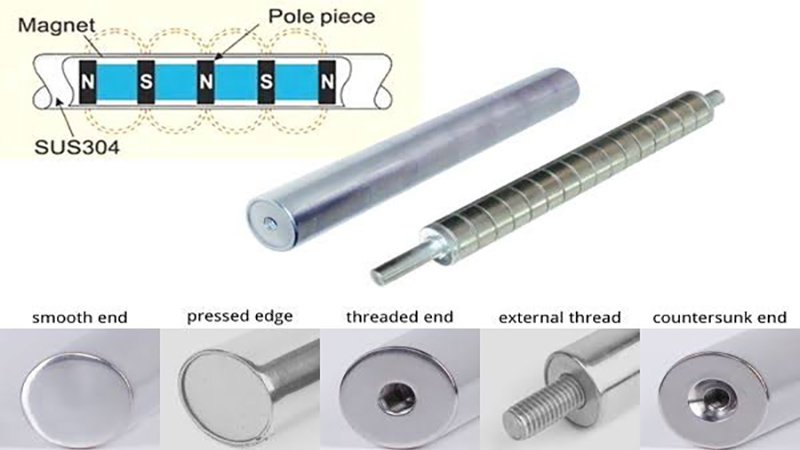
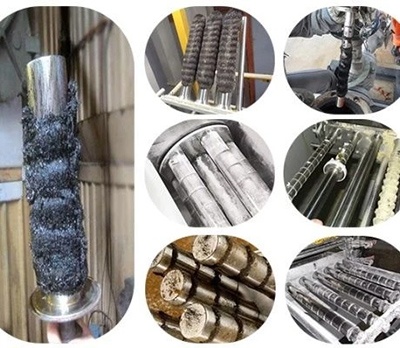
В процессе эксплуатации магнитные стержни постоянно притягивают ферромагнитные примеси. Если их вовремя не очистить, возникнут следующие проблемы:
Ослабление напряженности магнитного поля.
На поверхности накапливаются железные опилки и примеси, образуя слой, который экранирует магнитное поле и препятствует проникновению ферромагнитных частиц в эффективную зону захвата. Это снижает силу притяжения и значительно ухудшает эффективность удаления железа. В полях с высоким градиентом радиальный спад особенно крутой; если магнитная сила падает слишком низко, целевые частицы не могут быть захвачены.
Сокращенный срок службы.
Магнитные стержни являются основным компонентом оборудования для удаления железа. Длительное пренебрежение их обслуживанием ускоряет деградацию магнитных свойств и сокращает общий срок службы оборудования.
Влияние на эффективность производства.
Ненадлежащее техническое обслуживание может привести к неисправностям оборудования или низкой эффективности удаления железа, что повлечет за собой простои в производстве или проблемы с качеством продукции.
Поэтому разработка и строгое соблюдение научно обоснованного плана очистки и технического обслуживания имеет основополагающее значение для обеспечения эффективной работы магнитных стержней.
Единого стандарта для частоты очистки магнитных стержней не существует. Она в основном зависит от следующих факторов:
Количество примесей железа в переработанном материале
Почасовой объем обработки материалов
Характеристики самого материала (сухой порошок, гранулы или суспензия)
Общий принцип:
Толщина порошкообразных железных примесей на поверхности магнитного стержня не должна превышать 10 мм. Очистку следует проводить незамедлительно при достижении или приближении к этой толщине. Интервал очистки следует устанавливать в зависимости от содержания железа в материале и с учетом опыта эксплуатации на объекте.
Кроме того, после суммарного использования в 2000 часов рекомендуется проверить остаточную намагниченность стержня. Если снижение превышает 15%, магнитный сердечник необходимо заменить.
Перед началом уборки подготовьте следующее:
Надевайте толстые хлопчатобумажные перчатки. Редкоземельные магнитные стержни обладают чрезвычайно сильной магнитной силой. Использование толстых хлопчатобумажных перчаток во время работы эффективно предотвращает магнитные травмы и защемление пальцев.
Подготовьте инструменты для чистки: мягкую хлопчатобумажную ткань, толстые хлопчатобумажные перчатки, щетку с мягкой щетиной и скребок из цветных металлов (например, пластиковый или деревянный).
Убедитесь, что магнитный стержень извлечен из оборудования и помещен в безопасную рабочую зону.
Это наиболее распространенный метод очистки, подходящий для случаев, когда поверхность стержня покрыта сухими железными опилками и пылью.
Оберните один конец стержня мягкой хлопчатобумажной тканью или толстой хлопчатобумажной перчаткой и тщательно протрите его в направлении другого конца, продвигаясь вдоль стержня и удаляя накопившиеся загрязнения. Повторяйте это действие несколько раз, пока не будет удалена большая часть частиц железа.
Меры предосторожности при эксплуатации:
При протирании оказывайте непрерывное, равномерное давление, концентрируя загрязнения на конце стержня для легкой утилизации.
Операцию можно повторять несколько раз, пока поверхность не станет практически чистой.
Незамедлительно удаляйте и собирайте железные опилки, чтобы избежать их разлета и вторичного загрязнения.
Если поверхность магнитного стержня покрыта вязкими материалами (например, суспензией или маслянистыми веществами), одной лишь сухой протирки для тщательной очистки будет недостаточно.
Промойте теплой водой. Примечание:
Вода должна быть теплой, но не горячей; достаточно воды умеренной температуры.
После ополаскивания протрите мягкой тканью.
Не используйте воду под высоким давлением для промывки — очистка под высоким давлением часто ускоряет размагничивание стержня.
Для удаления стойких масляных пятен или трудновыводимых загрязнений:
Протрите поверхность стержня чистой мягкой тканью, смоченной слабым моющим средством.
Категорически избегайте использования моющих средств, содержащих сильные кислоты или щелочи, поскольку они могут вызвать коррозию корпуса из нержавеющей стали или повредить внутренний магнитный сердечник.
После чистки протрите насухо чистой мягкой тканью.
Если образовался толстый слой железных примесей, для их удаления можно использовать скребок из цветных металлов (например, пластиковый или деревянный). Однако следует учитывать следующее:
При работе следует применять умеренное усилие, чтобы избежать царапин на поверхности стержня.
После извлечения стержня избегайте контакта с металлическими предметами, чтобы предотвратить нежелательное притяжение и повреждение.
Регулярно проверяйте магнитный стержень на износ, трещины или деформацию.
Убедитесь, что монтажная конструкция надежно закреплена, чтобы предотвратить смещение магнита из-за вибрации.
При обнаружении сильного износа или трещин немедленно замените стержень на аналогичный, соответствующий техническим характеристикам оборудования.
Регулярно используйте гауссметр для измерения напряженности магнитного поля на поверхности стержня.
Сравните показания с заводскими характеристиками; если наблюдается значительное затухание, рассмотрите возможность повторного намагничивания или замены стержня.
В нерабочее время храните магнитные стержни в надлежащих условиях:
Хранить в сухом, хорошо проветриваемом месте, избегая попадания влаги.
Избегайте воздействия высоких температур и сильных магнитных полей. Держите подальше от агрессивных сред.
Храните их в чистом месте, свободном от материалов, содержащих железо.
Во избежание повреждений от ударов не следует располагать два стержня вплотную друг к другу.
Протирайте поверхности стержней безворсовой тканью раз в квартал, чтобы предотвратить скопление грязи, которая может препятствовать передаче магнитного поля.
Проверяйте крепежные элементы каждые шесть месяцев.
У стержней, за которыми хорошо ухаживают, интервал замены может быть увеличен на 1–2 года по сравнению со стержнями, за которыми не ухаживают.
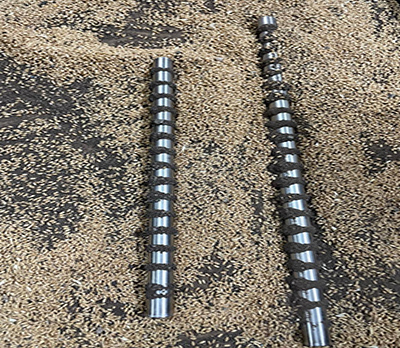
Избегайте защемления.
Магнитное притяжение между двумя стержнями может сильно защемить пальцы. Всегда обращайтесь с ними с предельной осторожностью.
Хранить в недоступном для чувствительного оборудования месте.
Не размещайте стержни рядом с устройствами магнитной записи (такими как жесткие диски, магнитные карты и т. д.), чтобы избежать помех в их работе.
Избегайте столкновений.
Сильные удары могут привести к разрушению магнитного сердечника или размагничиванию. Транспортируйте и обращайтесь со стержнями бережно.
Назначьте обученный персонал.
Для обеспечения правильности и безопасности очистку и техническое обслуживание должны выполнять только квалифицированные операторы.
Whatsapp : +86 -13559234186
Электронная почта : sale@lscmagnetics.com
Тел. : +86 -13559234186


