



-

Напишите нам
sale@lscmagnetics.com -

Контактный номер
+86 -13559234186
Напишите нам
sale@lscmagnetics.comКонтактный номер
+86 -13559234186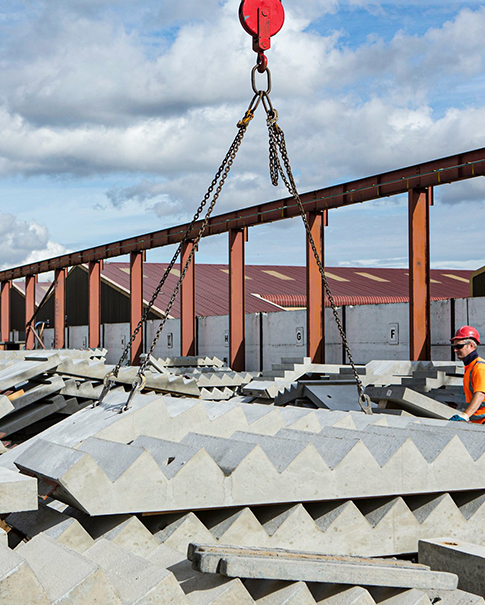

От монтажа на месте до заводской предварительной заделки: роль крепежных элементов подоконников в производстве сборных железобетонных конструкций.
Jun 09, 2026В обширной производственной цепочке сборное строительствоПроизводство сборных железобетонных элементов — это высокоинтенсивный и стандартизированный производственный процесс. В отличие от традиционных монолитных конструкций, сборные элементы отливаются за одну операцию на заводе, при этом вспомогательные элементы, такие как двери, окна, трубопроводы и изоляционные слои, уже интегрированы до того, как они покинут завод. Этот фундаментальный сдвиг в методах производства кардинально изменил логику использования крепежных элементов для подоконников — от «сверления на месте и последующей установки» к «заводской точной предварительной заделке и однократному отливу».
Крепежные элементы для подоконников перестали быть просто аксессуарами для сборки на месте; они стали неотъемлемой частью производства сборных железобетонных конструкций. В данной статье рассматриваются техническая логика, типы продукции и ключевые моменты применения крепежных элементов для подоконников в производстве сборных железобетонных конструкций, с учетом соответствующих стандартов, патентных решений и инженерной практики.
I. От «постмонтажного» подхода к «предварительному»: логический сдвиг.
В традиционном монолитном строительстве типичная последовательность установки крепежных элементов подоконника выглядит следующим образом: после заливки и затвердевания стены рабочие сверлят отверстия на месте, вставляют анкерные болты или химические анкеры, а затем прикрепляют подоконник. Несмотря на гибкость, этот метод имеет ряд недостатков. Сверление в значительной степени зависит от ручной работы, что затрудняет точное позиционирование; процесс сверления может повредить защитный слой арматуры в затвердевшем бетоне; контакт различных металлов создает риск электрохимической коррозии; и вся операция уязвима для погодных и строительных условий.
В отличие от этого, система производства сборных железобетонных конструкций меняет эту последовательность. Крепежные элементы подоконника и соответствующие им соединители точно позиционируются и фиксируются до заливки бетона — либо в сборный подоконник, либо в сборную наружную стеновую панель — а затем отливаются за один раз вместе с бетоном. Другими словами, они становятся встроенными элементами. Действующие национальные стандарты для сборных зданий прямо требуют, чтобы встроенные элементы для наружных дверей и окон устанавливались на заводе, а их положение проверялось до заливки бетона. Спецификации, местоположение и количество встроенных элементов, арматуры и зарезервированных отверстий четко определены в процедурах контроля качества.
Этот сдвиг предоставляет ряд ключевых преимуществ:
Контролируемая точность – позиционирование осуществляется с помощью высокоточных шаблонов и приспособлений, что минимизирует отклонения и исключает человеческие ошибки, характерные для бурения на месте.
Прочность конструкции – Встраиваемые элементы прочно соединены с бетоном, что исключает наличие слабых мест, образовавшихся после сверления.
Повышенная эффективность – подоконник можно поднять на место и напрямую соединить с помощью предварительно вмонтированных соединителей, без необходимости использования временных креплений. Это значительно снижает риски для безопасности и ускоряет монтаж.
Повышенная долговечность – поскольку встраиваемые элементы отливаются заодно с бетоном в процессе твердения, качество анкеровки значительно превосходит качество анкеров, устанавливаемых после бетонирования.
II. Типичные схемы встраиваемых соединений для крепежных элементов подоконника.
Учитывая уникальные условия производства сборных железобетонных конструкций, появилось несколько отработанных решений для встраивания крепежных элементов подоконников, каждое из которых подходит для различных конструктивных требований.
2.1 Интегрированная заливка в бетон
Это наиболее прямой подход: встроенная часть крепежного элемента помещается в форму до заливки бетона и становится неотъемлемой частью подоконника или стеновой панели.
Например, в конструкции «Сборный подоконник и соединительный узел» заделка разделена на две части: закладную и соединительную. По меньшей мере часть закладной части находится внутри подоконника, отлитая вместе с бетоном, в то время как соединительная часть остается снаружи подоконника для последующего крепления к стене или другим конструктивным элементам. Самое большое преимущество заключается в том, что после того, как сборный подоконник покинет завод, его можно напрямую соединить на месте с помощью предварительно установленных соединителей — без сверления, без временных креплений, что обеспечивает большую безопасность и эффективность.
2.2 Соединительное устройство между сборным подоконником и стеной
Еще одно интересное решение касается соединения сборного подоконника и сборной несущей стены. В нем используется выдвижной болтовой узел, предварительно встроенный в подоконник. Дно первой приемной полости открыто; во время установки вращение болта приводит к тому, что его хвостовая часть вставляется во вторую приемную полость, предварительно установленную в несущей стене. Затем пружина и втулка вокруг болта выдвигаются до тех пор, пока не прижмутся к несущей стене, образуя надежное крепление. Втулка также служит герметиком для гидроизоляционного состава, защищая пружину. Демонтаж также прост: поверните болт в противоположном направлении, чтобы выдвинуть его и отделить подоконник от стены. Это обеспечивает как стабильное соединение, так и простоту демонтажа при необходимости.
2.3 Встроенная система крепления для сэндвич-панелей из теплоизоляционного материала
Для более сложных компонентов, таких как сборные сэндвич-панели для наружных стен с теплоизоляцией, методы соединения более совершенны. Технология, называемая «Конструкция соединения между сборной сэндвич-панелью для наружных стен с теплоизоляцией и подоконником/угловым элементом рамы», скрывает и защищает крепежные элементы с помощью монтажных пластин и монтажных пазов. Крепежные болты скрыты в отверстиях для винтов в нижней части монтажного основания и закреплены снизу с помощью резьбовых соединений. Это не только предотвращает обнажение болтов (тем самым избегая коррозии), но и сохраняет наружную поверхность подоконника чистой и эстетически привлекательной.
2.4 Встроенные крепежные элементы оконной рамы
Для согласованного крепления подоконника и оконной рамы используется примечательная конструкция крепежного элемента с верхней и боковыми пластинами. Верхняя пластина имеет крепежную часть для фиксации оконной рамы, а боковые пластины — анкерную конструкцию, которая встраивается в бетон. Важно отметить, что этот крепежный элемент не представляет собой закрытую коробку, поэтому внутри не скапливается вода, что способствует продлению срока его службы.
III. Ключевые технические моменты: от точного управления до управления совместимостью.
Применение крепежных элементов для подоконников в сборном железобетонном производстве требует внимания к нескольким важным факторам.
Точный контроль закреплённых деталей. Точность позиционирования закреплённых деталей напрямую определяет, насколько плавно пройдёт последующая установка. Многие заводы сейчас используют трёхэтапный процесс проверки: первоначальное измерение после изготовления формы → повторное измерение после заливки бетона → окончательная проверка перед установкой компонента. Перед заливкой бетона необходимо индивидуально проверить положение каждой закреплённой детали.
Предотвращение электрохимической коррозии. В сборных элементах контакт разнородных металлов (например, нержавеющей стали с обычной углеродистой сталью или нержавеющей стали с алюминием) во влажной среде может привести к гальванической коррозии из-за разницы потенциалов электродов. Строительные нормы для сборных конструкций прямо требуют предотвращения такой коррозии на стыках металла с металлом. Распространенные меры противодействия включают использование изолирующих шайб или предварительно установленных пластиковых шайб, которые физически изолируют металлы.
Защита в процессе бетонирования. Во время заливки бетона предварительно запрессованные крепежные элементы необходимо защищать от загрязнения бетонной смесью или обломками. Типичные меры включают заполнение отверстий для болтов пенопластовыми стержнями или их заклеивание защитной лентой, чтобы резьба и поверхности соединения оставались чистыми для последующего использования. Кроме того, на протяжении всего процесса строительства сборных конструкций следует принимать защитные меры, чтобы избежать повреждения или загрязнения строительных элементов и запрессованных деталей.
Выбор материала и экологическая совместимость. Нержавеющая сталь марки А2 подходит для большинства внутренних и наружных помещений, обеспечивая хорошую стойкость к окислению. Марка А4, прошедшая дополнительную пассивацию, обеспечивает еще более высокую коррозионную стойкость и рекомендуется для прибрежных районов с высокой влажностью или регионов с сильным промышленным загрязнением. Материал крепежных элементов всегда должен соответствовать условиям эксплуатации сборного элемента.
Вкратце, в индустрии сборного строительства есть известная поговорка: «Прочность сборной конструкции зависит от ее соединений». Это прекрасно отражает центральную роль соединений в сборных системах. Крепежные элементы подоконников могут показаться небольшой частью всего сборного элемента, но именно они отвечают за надежное крепление и долговечность самого подоконника. От регулируемых болтовых соединений и огнестойких, низкотеплопроводных вставок до скрытых монтажных конструкций и полностью интегрированных решений для предварительной заделки — применение крепежных элементов подоконников в производстве сборных конструкций продолжает развиваться вместе с достижениями в технологии сборного строительства.
По мере повышения точности производства и постепенного совершенствования соответствующих технических стандартов, крепежные элементы для подоконников будут использоваться более профессионально и систематически, внося незаменимый «связующий элемент» в повышение качества сборных зданий.
Whatsapp : +86 -13559234186
Электронная почта : sale@lscmagnetics.com
Тел. : +86 -13559234186


