-

Напишите нам
sale@lscmagnetics.com -

Контактный номер
+86 -13559234186
Напишите нам
sale@lscmagnetics.comКонтактный номер
+86 -13559234186

В железобетонном строительстве проволока для стяжки — также известная как обвязочная проволока — является наиболее распространенным и основным вспомогательным материалом для крепления арматурных каркасов. При наличии двух наиболее распространенных на рынке вариантов…оцинкованная проволока для обвязки Что касается черной отожженной проволоки для обвязки, многие руководители проектов и специалисты по закупкам сталкиваются с распространенной дилеммой: что выбрать? Всегда ли дешевле — лучше? Действительно ли необходима гальванизация?
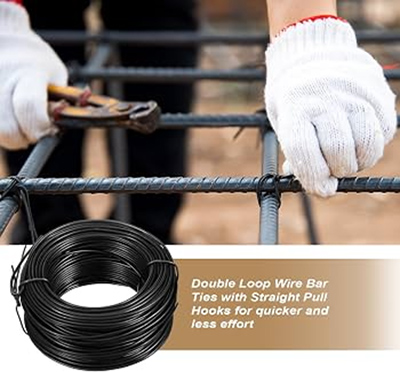
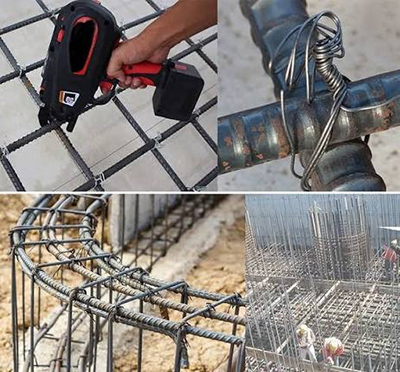
Черная отожженная проволока для обвязки изготавливается из прутка низкоуглеродистой стали Q195. После холодной вытяжки до желаемого диаметра она подвергается высокотемпературному отжигу в бескислородной среде, который перестраивает внутреннюю зернистую структуру стали, значительно улучшая ее гибкость и пластичность.
После завершения отжига поверхность проволоки обычно покрывают тонким слоем антикоррозионного масла или черного масла, образуя темную оксидную защитную пленку — отсюда и название «черная проволока».
Оцинкованная проволока для обвязки также изготавливается из низкоуглеродистой стали, но после отжига и волочения она должна пройти дополнительные этапы: травление (удаление ржавчины) → высокотемпературный отжиг → горячее цинкование (или электроцинкование) → охлаждение. В результате этого процесса на поверхность проволоки наносится плотное цинковое покрытие для защиты от коррозии.
В зависимости от метода цинкования, его можно разделить на следующие категории:
Проволока, оцинкованная горячим способом: более толстое цинковое покрытие (приблизительно 18 г/м² или более), превосходная коррозионная стойкость, матовая поверхность серебристо-серого цвета.
Электрооцинкованная проволока: более тонкое цинковое покрытие, более блестящая поверхность, более низкая стоимость.
| Параметр | Черная отожженная проволока | Оцинкованная проволока |
| Гибкость | ★★★★★ Отличный, мягкий и легко гнется, приятен на ощупь при завязывании. | ★★★☆☆ Хороший, но немного жестковат из-за цинкового покрытия. |
| Предел прочности | 300–450 Н/мм² | 30–45 кг/мм² (приблизительно 294–441 Н/мм²), сопоставимо с черным отожженным металлом. |
| Коррозионная стойкость | ★★☆☆☆ Плохое качество, легко ржавеет во влажной среде; требует масляного покрытия. | ★★★★★ Отлично; цинковый слой обеспечивает защиту жертвенного анода. |
| Отделка поверхности | Гладкий, мягкий, черный | Слегка шероховатый (оцинкованный слой), серебристо-белый |
| Служба жизни | Краткосрочное использование / преимущественно в помещении | Долгосрочное использование, особенно на открытом воздухе. |
| Расходы | Низкая, высокая экономичность и производительность | Более высокая цена покупки, но потенциально более низкая общая стоимость в долгосрочной перспективе. |
Благодаря высокой гибкости, легкости сгибания и завязывания узлов, а также эффективности обвязки, черная отожженная проволока хорошо подходит для:
Внутренние конструкции обычных зданий: например, основное армирование жилых и офисных зданий — после заливки бетона арматура полностью герметизируется и не подвергается воздействию внешних условий.
Тщательная обвязка, требующая хорошего чувства ритма: мягкость отожженной проволоки позволяет монтажникам стальных конструкций быстрее и с меньшими усилиями завершать точки обвязки.
Временные крепления и многоразовое использование: например, армирование опалубки, временное связывание материалов.
Проекты с ограниченным бюджетом: существенное преимущество в стоимости материалов.
Наиболее распространенные размеры: для арматурных стержней в строительстве чаще всего используются стержни BWG16 (примерно 1,65 мм) для основных стержней и BWG18 (примерно 1,25 мм) для хомутов или тонкой сетки.
Главное преимущество оцинкованной проволоки — коррозионная стойкость и долговечность, что делает её более подходящей для:
Проекты, выполняемые на открытом воздухе и на открытых площадках: мосты, тоннели, порты, гидротехнические сооружения, где арматурные каркасы могут подвергаться воздействию дождя и влажного воздуха до бетонирования.
Сильно коррозионные среды: прибрежные районы, химические заводы, регионы с засоленными и щелочными почвами, где в воздухе преобладают ионы хлорида или химические вещества.
Производство сборных элементов: сборные балки, панели и т. д., часто хранящиеся на складах в течение длительного времени — оцинкованная проволока предотвращает преждевременное ржавление в местах крепления.
Проекты со строгими требованиями к долговечности: например, объекты критической инфраструктуры со расчетным сроком службы 100 лет.
Примечание: Оцинкованная проволока не рекомендуется для обвязки арматуры из нержавеющей стали. Во влажных условиях цинковое покрытие и нержавеющая сталь могут создавать гальваническую пару, ускоряя точечную коррозию на поверхности нержавеющей стали. В таких случаях используйте нейлоновые стяжки или специальные стяжки из нержавеющей стали.
Многие покупатели сравнивают только цену за тонну или за рулон, но следует также учитывать общую стоимость владения:
| Фактор затрат | Черная отожженная проволока | Оцинкованная проволока |
| Цена покупки | Низкое содержание оцинкованной проволоки (примерно 60–75%). | Высокий |
| Коэффициент потерь/отходов | Меньше — мягкий, менее подвержен поломке | Немного более высокий слой цинка может вызвать усталостное разрушение при изгибе. |
| стоимость риска коррозии | Повышенная концентрация при неправильном хранении или использовании на открытом воздухе — может потребоваться переработка. | Очень низкий |
| Влияние на сроки строительства | Нормальный | Нормальный |
| Долгосрочное техническое обслуживание | В неподходящих ситуациях могут возникнуть расходы на ремонт. | Практически ноль |
В итоге: для стандартных бетонных конструкций внутри помещений экономическая эффективность черной отожженной проволоки трудно превзойти. Однако для наружных работ или агрессивных сред более высокая цена оцинкованной проволоки вполне оправдана, поскольку позволяет избежать доработок и продлить срок службы.
Общие работы по строительству внутри помещений → Черная отожженная проволока для обвязки (BWG16/BWG18)
Применение на открытом воздухе/во влажных условиях/в сборных железобетонных конструкциях → Оцинкованная проволока для обвязки (предпочтительно горячее цинкование)
Высокая коррозионная активность (в прибрежных зонах/при воздействии химических веществ) → Рассмотрите вариант использования проволоки с ПВХ-покрытием или проволоки из нержавеющей стали.
Независимо от выбранного типа, по прибытии необходимо проверить следующее:
Равномерный диаметр проволоки: избегайте локального истончения, которое снижает прочность.
Качество поверхности: черная отожженная проволока должна быть равномерно промаслена и не иметь пятен ржавчины; оцинкованная проволока должна иметь сплошной цинковый слой без оголенных участков.
Испытание на изгиб: многократно согните образец рукой — не должно произойти поломки или отслаивания цинка в больших масштабах.
Сертификаты и протоколы испытаний подтверждают соответствие прочности на разрыв, относительного удлинения, массы цинкового покрытия и других показателей действующим национальным стандартам.
Черная отожженная проволока: должна храниться в сухом, хорошо проветриваемом складе, на возвышении над полом и под водонепроницаемой пленкой. При хранении на открытом воздухе или на влажной земле даже в нераскрытых катушках в течение 2–3 месяцев может появиться локальная ржавчина.
Оцинкованная проволока: устойчива к коррозии, но все же лучше хранить ее под навесом, чтобы избежать преждевременного старения цинкового слоя в экстремальных условиях.
Нет абсолютного правильного или неправильного — есть только то, что подходит для данной работы.
При выборе черной отожженной проволоки следует отдавать приоритет в следующих случаях:
Соединение внутренних балок, плит и колонн в обычных зданиях
Производство сборных элементов в сухих условиях.
Работа над крупномасштабными проектами общего назначения со строгим контролем затрат.
Связывание сложной арматуры неправильной формы, требующей максимальной гибкости.
Выбирайте оцинкованную проволоку в следующих случаях:
Укрепление открытой наружной арматуры (например, для защиты краев, для крепления строительных лесов)
Работа во влажных или сильно коррозионных средах (порты, очистные сооружения, химические предприятия).
Использование бетона с гладкой поверхностью или в проектах со строгими требованиями к внешнему виду (для предотвращения просачивания ржавчины).
Производство высококачественных или экспортных сборных железобетонных компонентов.
Независимо от того, выберете ли вы мягкую, удобную в использовании черную отожженную проволоку или коррозионностойкую оцинкованную проволоку, обе играют незаменимую роль в работах по армированию стали. Принимая решение, учитывайте условия окружающей среды (влажная или сухая), местоположение (открытая или заглубленная) и общую стоимость — только тогда этот небольшой, но жизненно важный компонент обеспечит максимальную отдачу.
Краткий совет: В соответствии с национальными стандартами и практикой, для прутков диаметром до 12 мм используйте проволоку № 22, для прутков диаметром 12–16 мм — проволоку № 20, а для прутков большего диаметра — две нити проволоки № 22. Использование обратного скручивающего узла (крестообразного или восьмеркообразного) эффективно предотвращает ослабление.
Whatsapp : +86 -13559234186
Электронная почта : sale@lscmagnetics.com
Тел. : +86 -13559234186