-

Напишите нам
sale@lscmagnetics.com -

Контактный номер
+86 -13559234186
Напишите нам
sale@lscmagnetics.comКонтактный номер
+86 -13559234186

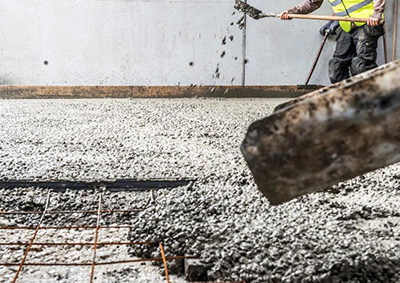

Укладка бетона в условиях низких зимних температур сопряжена со значительными трудностями. При температуре окружающей среды ниже 5°C реакция гидратации цемента замедляется, что препятствует развитию прочности. Если температура опускается ниже 0°C, внутренняя влага замерзает и расширяется, вызывая повреждение конструкции. Поэтому внедрение научно обоснованных мер теплозащиты имеет важное значение для строительства в зимних условиях.
I. Стратегии теплоизоляции сердечника
1. Предварительный нагрев сырья
- Нагрейте воду для замешивания до 60-80°C (избегайте прямого контакта цемента с горячей водой).
- Предварительно прогрейте заполнители, чтобы удалить весь лед и снег.
- Используйте антифризные добавки для понижения точки замерзания.
2. Защита во время установки
- Установить ветрозащитные экраны для уменьшения теплопотерь из свежего бетона.
- Используйте теплоизолированную опалубку или двухслойные опалубочные системы.
- Используйте обогреватели (например, галогенные обогреватели) для локального обогрева во время ночных работ или в условиях сильного холода.
3. Методы отверждения и изоляции
- Способ укрытия: Примените трехслойную систему: полиэтиленовая пленка (для удержания влаги) + теплоизолирующие одеяла (например, хлопчатобумажные одеяла, соломенные маты) + водонепроницаемый брезент.
- Метод сохранения тепла: Используйте тепло, выделяемое бетоном при гидратации, в сочетании с теплоизоляционными материалами для удержания тепла.
- Метод активного нагрева: При температурах ниже -10°C используйте закрытые отапливаемые помещения или обработку паром.
II. Ключевые точки контроля температуры
- Измеряйте температуру каждые 4 часа. Разница между температурой сердцевины и поверхностью бетона не должна превышать 20°C.
- Перед снятием опалубки убедитесь, что разница температур между поверхностью бетона и окружающим воздухом составляет менее 15 °C.
- Нельзя допускать замерзания бетона до достижения им критической «морозостойкости» (обычно 30-40% от расчетной прочности).
III. Распространенные мифы и предостережения
❌ Миф: Увеличение содержания цемента само по себе предотвращает замерзание.
✅ Факт: Полагайтесь на сочетание правильно подобранных добавок и мер по теплоизоляции.
❌ Миф: Немедленное накрытие теплоизоляционными одеялами после заливки бетона.
✅ Факт: Сначала накройте полиэтиленовой пленкой, чтобы предотвратить потерю влаги, а затем добавьте утеплитель.
Важные моменты, которые следует помнить:
- Непрерывный мониторинг имеет решающее значение: Регулярно проверяйте внутреннюю и поверхностную температуру на протяжении всего периода отвердевания, чтобы убедиться, что она остается выше заданных пороговых значений.
- Поддерживайте теплоизоляцию в течение достаточного времени: для стандартного бетона требуется не менее 7 дней защиты; для критически важных конструктивных элементов может потребоваться 14 дней и более.
- Предотвращение термического шока: охлаждайте бетон постепенно, чтобы избежать растрескивания из-за резких перепадов температуры.
- Корректировка состава смеси: При бетонировании в зимних условиях рекомендуется использовать цемент с высокой ранней прочностью, уменьшить водоцементное соотношение и добавить одобренные антифризные и ускоряющие процесс добавки.
- Осторожно снимайте опалубку: опалубку следует снимать только тогда, когда прочность бетона превышает 40% от расчетной прочности, а разница температур с окружающей средой составляет менее 15°C.
Whatsapp : +86 -13559234186
Электронная почта : sale@lscmagnetics.com
Тел. : +86 -13559234186